KI-Beratung Beta

Produktbild: Radionuclide Contamination and Remediation Through Plants

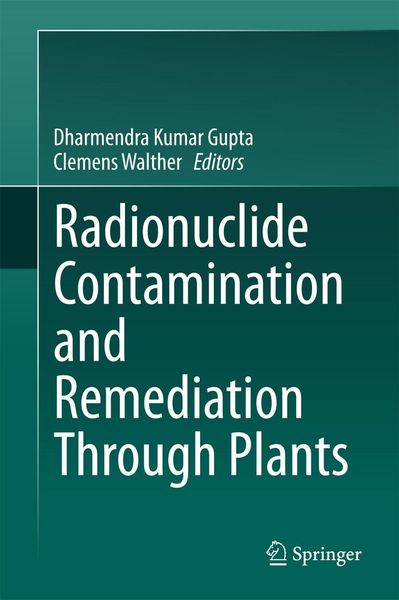
Radionuclide Contamination and Remediation Through Plants

153,99 €

inkl. gesetzl. MwSt.

Beschreibung

This book focuses on the mechanistic (microscopic) understanding of radionuclide uptake by plants in contaminated soils and potential use of phytoremediation. The key features concern radionuclide toxicity in plants, how the radioactive materials are absorbed by plants, and how the plants cope with the...

Beschreibung

This book focuses on the mechanistic (microscopic) understanding of radionuclide uptake by plants in contaminated soils and potential use of phytoremediation. The key features concern radionuclide toxicity in plants, how the radioactive materials are absorbed by plants, and how the plants cope with the toxic responses. The respective chapters examine soil classification, natural plant selection, speciation of actinides, kinetic modeling, and case studies on cesium uptake after radiation accidents.

Radionuclide contaminants pose serious problems for biological systems, due to their chemical toxicity and radiological effects. The processes by which radionuclides can be incorporated into vegetation can either originate from activity interception by external plant surfaces (either directly from the atmosphere or from resuspended material), or through uptake of radionuclides via the root system. Subsequent transfer of toxic elements to the human food chain is a concrete danger. Therefore, the molecular mechanisms and genetic basis of transport into and within plants needs to be understood for two reasons: The effectiveness of radionuclide uptake into crop plants - so-called transfer coefficient - is a prerequisite for the calculation of dose due to the food path. On the other hand, efficient radionuclide transfer into plants can be made use of for decontamination of land - so-called phytoremediation, the direct use of living, green plants for in situ removal of pollutants from the environment or to reduce their concentrations to harmless levels.

Produktdetails

Format

PDF

Kopierschutz

Nein

Family Sharing

Nein

Text-to-Speech

Nein

Produktdetails

Format

PDF

Format

eBooks im PDF-Format haben eine festgelegte Seitengröße und eignen sich daher nur bedingt zum Lesen auf einem tolino eReader oder Smartphone. Für den vollen Lesegenuss empfehlen wir Ihnen bei PDF-eBooks die Verwendung eines Tablets oder Computers.

Kopierschutz

Nein

Kopierschutz

Dieses eBook können Sie uneingeschränkt auf allen Geräten der tolino Familie, allen sonstigen eReadern und am PC lesen. Das eBook ist nicht kopiergeschützt und kann ein personalisiertes Wasserzeichen enthalten. Weitere Hinweise zum Lesen von eBooks mit einem personalisierten Wasserzeichen finden Sie unter Hilfe/Downloads.

Family Sharing

Nein

Family Sharing

Mit Family Sharing können Sie eBooks innerhalb Ihrer Familie (max. sechs Mitglieder im gleichen Haushalt) teilen. Sie entscheiden selbst, welches Buch Sie mit welchem Familienmitglied teilen möchten. Auch das parallele Lesen durch verschiedene Familienmitglieder ist durch Family Sharing möglich. Um eBooks zu teilen oder geteilt zu bekommen, muss jedes Familienmitglied ein Konto bei Thalia oder einem anderen tolino-Buchhändler haben. Weitere Informationen finden Sie unter Hilfe/Family-Sharing.

Text-to-Speech

Nein

Text-to-Speech

Bedeutet Ihnen Stimme mehr als Text? Mit der Funktion Text-to-Speech können Sie sich im tolino webReader und in der aktuellen Thalia – Lesen & Hören App das eBook vorlesen lassen. Weitere Informationen finden Sie unter Hilfe/Text-to-Speech.

Erscheinungsdatum

14.07.2014

Herausgeber
Verlag Springer
Seitenzahl

314 (Printausgabe)

Dateigröße

5161 KB

Sprache

Englisch

EAN

9783319076652

Barrierefreiheit
  • keine Information zur Barrierefreiheit bekannt

Noch keine Bewertungen vorhanden

Verfassen Sie die erste Bewertung zu diesem Artikel

Helfen Sie anderen Kundinnen und Kunden durch Ihre Meinung.

Kundinnen und Kunden meinen

Bewertungen (0)

Weitere Artikel finden Sie in

  • Produktbild: Radionuclide Contamination and Remediation Through Plants
  • Phytoremediation of Radionuclides: A Report on the State of the Art.- Natural Plant Selection for Radioactive Waste Remediation.- Radionuclide Uptake From Soil to Plants: Influence of Soil Classification.- Contributions to the State of the Art in Radionuclides-Plants Interaction Field.- Transfer of Radionuclides to Plants: Influence on the Speciation of Radionuclides in Soil.- Radionuclide Uptake by Plants: Soil to Plant Transfer Factors, Kinetics of Absorption and Internal Radionuclide Distribution of 137Cs And 40K in South American Species.- Impact on Plant Growth in Waste Contaminated Areas.- Remediation of Radionuclide Contaminated Sites Using Plant Litter Decomposition.- Bioaccumulation of Radionuclide Metals in Plants: A Case Study of Cesium.- Speciation of Actinides After Plant Uptake.- Kinetic Models for Representing the Uptake of Radionuclides in Plants.- Metal-Microbe Interaction and Bioremediation.- Metabolism of 14C-Containing Contaminants in Plants and Microorganisms.- 90Sr and 137Cs Accumulation in Plants in the Area of Radiation Accidents.- Migration of 90Sr and 137Cs in the Soil After Radiation Accidents.