KI-Beratung Beta

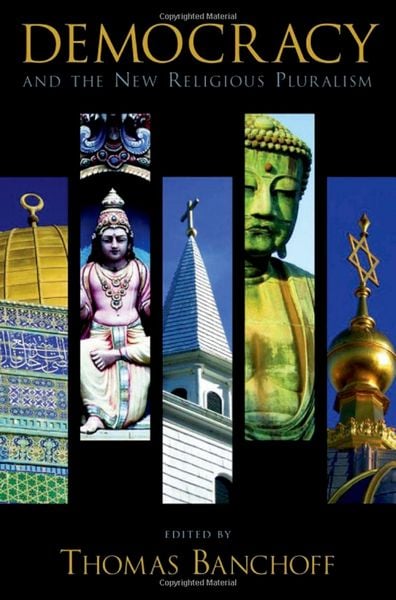
Produktbild: Democracy and the New Religious Pluralism

Democracy and the New Religious Pluralism

29,30 €

inkl. gesetzl. MwSt.

Beschreibung

Religious pluralism is everywhere in today's politics. Increased immigration flows, the collapse of communism, and the globalization of communications technologies have all fostered a wider variety of religious beliefs, practices, and organizations within and across democratic societies. This is true...

Beschreibung

Religious pluralism is everywhere in today's politics. Increased immigration flows, the collapse of communism, and the globalization of communications technologies have all fostered a wider variety of religious beliefs, practices, and organizations within and across democratic societies. This is true in both the United States and Europe, where growing and diverse minority communities are transforming the political landscape. As a result, controversies over such things as headscarves and depictions of Mohammed are unsettling a largely secular Europe, while a Christian majority in the US faces familiar questions about church-state relations amidst unprecedented religious diversity. Far from receding into the background, religious language pervades arguments around established issues such as abortion and capital punishment, and new ones such as stem cell research and same-sex marriage. In Democracy and the New Religious Pluralism, leading scholars from multiple disciplines explore these dynamics and their implications for democratic theory and practice. What are the contours of this new religious pluralism? What are its implications for the theory and practice of democracy? Does increasing religious pluralism erode the cultural and social foundations of democracy? To what extent do different religious communities embrace similar -- or at least compatible -- ethical and political commitments? By seeking answers to these questions and revealing religious pluralism as both a source of animosity and a potent force for peaceful engagement, this book offers a revealing look at the future of religion in democratic societies.

Produktdetails

Format

PDF

Kopierschutz

Ja

Family Sharing

Nein

Text-to-Speech

Nein

Produktdetails

Format

PDF

Format

eBooks im PDF-Format haben eine festgelegte Seitengröße und eignen sich daher nur bedingt zum Lesen auf einem tolino eReader oder Smartphone. Für den vollen Lesegenuss empfehlen wir Ihnen bei PDF-eBooks die Verwendung eines Tablets oder Computers.

Kopierschutz

Ja

Kopierschutz

Zum Lesen dieses eBooks auf Geräten der tolino Familie sowie auf sonstigen eReadern und am PC benötigen Sie eine ByteBook-ID. Weitere Hinweise zum Lesen von kopiergeschützten eBooks finden Sie unter Hilfe/Downloads.

Family Sharing

Nein

Family Sharing

Mit Family Sharing können Sie eBooks innerhalb Ihrer Familie (max. sechs Mitglieder im gleichen Haushalt) teilen. Sie entscheiden selbst, welches Buch Sie mit welchem Familienmitglied teilen möchten. Auch das parallele Lesen durch verschiedene Familienmitglieder ist durch Family Sharing möglich. Um eBooks zu teilen oder geteilt zu bekommen, muss jedes Familienmitglied ein Konto bei Thalia oder einem anderen tolino-Buchhändler haben. Weitere Informationen finden Sie unter Hilfe/Family-Sharing.

Text-to-Speech

Nein

Text-to-Speech

Bedeutet Ihnen Stimme mehr als Text? Mit der Funktion Text-to-Speech können Sie sich im tolino webReader und in der aktuellen Thalia – Lesen & Hören App das eBook vorlesen lassen. Weitere Informationen finden Sie unter Hilfe/Text-to-Speech.

Erscheinungsdatum

07.06.2007

Herausgeber Thomas Banchoff
Verlag Oxford University Press
Seitenzahl

(Printausgabe)

Dateigröße

2224 KB

Sprache

Englisch

EAN

9780198041979

Barrierefreiheit
  • keine Information zur Barrierefreiheit bekannt

Noch keine Bewertungen vorhanden

Verfassen Sie die erste Bewertung zu diesem Artikel

Helfen Sie anderen Kundinnen und Kunden durch Ihre Meinung.

Kundinnen und Kunden meinen

Bewertungen (0)

Weitere Artikel finden Sie in

Die Leseprobe wird geladen.
  • Produktbild: Democracy and the New Religious Pluralism